
Frequently Asked Questions
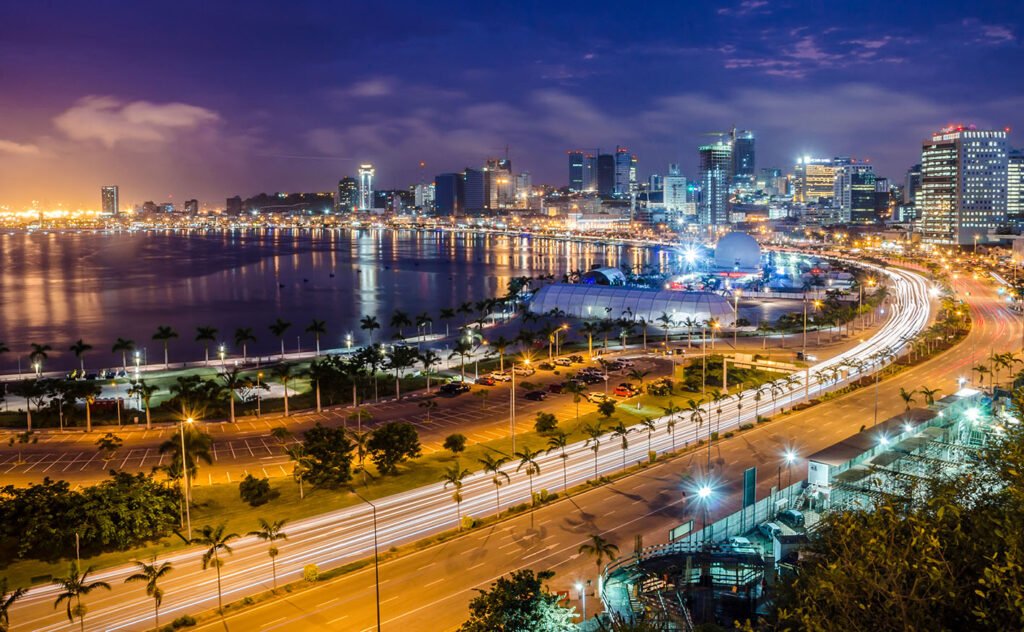
Luanda offers visitors a mix of historical fortresses, cultural museums, pristine beaches, and unique architectural landmarks that showcase Angola's complex past and vibrant present.
What are the must-visit historical sites in Luanda?
The Fortaleza de São Miguel stands as the most important historical site in Luanda. Built in 1576 by Paulo Dias de Novais, Angola's first Captain-Governor, this Portuguese fortress served as the administrative center of the country. The fortress features ornate wall tiles that tell Angola's history and displays ancient relics throughout its grounds.
The Fortress of São Pedro da Barra represents another significant historical landmark. This 16th-century fort sits on a hill overlooking the city and was built on the ruins of Morro de Kassandama. It became a national monument in 1932 and appears on UNESCO's tentative list.
Both fortresses played roles in the slave trade. They served as holding places for enslaved people before they were shipped to Brazil and the United States.
Can you list the top museums to explore in Luana, Angola?
The National Museum of Slavery stands as a crucial educational site along the city's coastline. Founded in 1977, this small white building displays photos and lithographs that document Luanda's role in the slave trade. The museum sits on the exact location where enslaved people were baptized before being forced onto ships.
The National Museum of Natural History showcases Angola's wildlife through displays of fish, insects, birds, and other organisms. This museum helps visitors understand the country's biological diversity.
The National Museum of Anthropology focuses on Angola's cultural heritage. The museum features traditional masks, sculptures, jewelry, musical instruments, weaponry, and clothing that tell the story of Angola's people.
What are the most recommended natural spots for tourists in Luanda?
Ilha do Mussulo offers the most popular beach destination near Luanda. This peninsula stretches 30 kilometers long and 3 kilometers wide, featuring beaches with views of the city. Beach huts, restaurants, hotels, and resorts line the shore.
Miradouro da Lua sits about 40 kilometers outside the city. This landscape features cliffs with sharp pinnacles eroded by wind and sea, creating a surface that looks like the moon. The viewpoint ranks as one of the top attractions outside Luanda.
Quiçama National Park serves as Angola's only functioning national park. Located about 70 kilometers from the city, this 12,000 square kilometer park opened as a game reserve in 1938. Animals were transported here from Botswana and South Africa to rebuild the wildlife population after years of poaching.
Cabo Ledo beach sits a few hours south of Luanda. This world-famous surfing destination features one of the world's longest point breaks at 500 meters. The beach offers a long slow left break that works well for beginners.
Which architectural landmarks are considered iconic in Luanda?
The Palácio de Ferro stands out as one of Luanda's most striking buildings. Designed by Gustave Eiffel, this yellow palace features fine wood details and decorative fencing. The building was constructed in France and ended up along Angola's Skeleton Coast before Portuguese rulers brought it to Luanda. It now operates as a diamond museum.
The Agostinho Neto Mausoleum towers over the rest of the city. This massive structure honors Angola's first president, António Agostinho Neto, who led the country from 1975 to 1979. The building functions as both a mausoleum and museum, displaying photos of Neto with world leaders.
The Sé Catedral de Luanda represents colonial religious architecture. Built in 1628, this Roman Catholic cathedral was completely ruined in 1877 and rebuilt between 1880 and 1900. The church features three curved doors bordered by a larger curved facade. It was declared a building of Public Interest in 1949.
What family-friendly activities are available in Luanda for visitors with children?
Belas Shopping provides indoor entertainment for families. This 120,000 square meter mall opened in 2007 as Angola's first modern shopping center. It houses eight cinemas, an entertainment area, a food court, and over 100 stores.
The beaches at Ilha do Mussulo offer safe swimming and water activities for families. Restaurants and beach facilities along the peninsula make it easy to spend a full day with children.
Quiçama National Park allows families to see wildlife on safari day trips. The park's animal population includes species brought from other African countries, making it an educational experience for young visitors.
Are there unique cultural experiences in Luana that travelers should not miss?
The Benfica Market provides the best shopping experience for local handicrafts. Located south of the city center, the market sells paintings, jewelry, textiles, and baskets made by local artisans. Bargaining is expected and helps visitors get fair prices.
Avenida 4 de Fevereiro offers a walk through Luanda's prestigious waterfront district. This avenue runs parallel to Luanda Bay and is lined with beautiful buildings like the Banco de Angola. The port sits at one end with its famous clock tower, while the old fort occupies the other end.
The Switch Supper Club at Epic Sana Luanda hotel delivers a taste of the city's nightlife. This chic venue opens on weekends until 6am and attracts both locals and visitors. The hotel also features several restaurants that serve international cuisine with views of the bay.